Dairy Queen Allergen Menu: Explore Safe Options
Since 1940, this popular chain has grown from a single shop in Joliet, Illinois, to about 6,000 locations worldwide, with roughly 4,500 in the United States.
For the 33 million Americans who manage food allergies, understanding choices at fast‑served shops matters. Checking ingredient lists before you visit helps you pick safer items and avoid surprises.
Whether you crave a quick lunch or a sweet ice cream treat, learning which items contain key triggers lets you make informed decisions. Online guides list current recipes, but recipes can vary by location.
Always verify the safety of your specific order with staff on-site, since handling and local prep may differ. This short intro will help you find reliable options and plan visits with confidence.
Understanding the Dairy Queen Allergen Menu
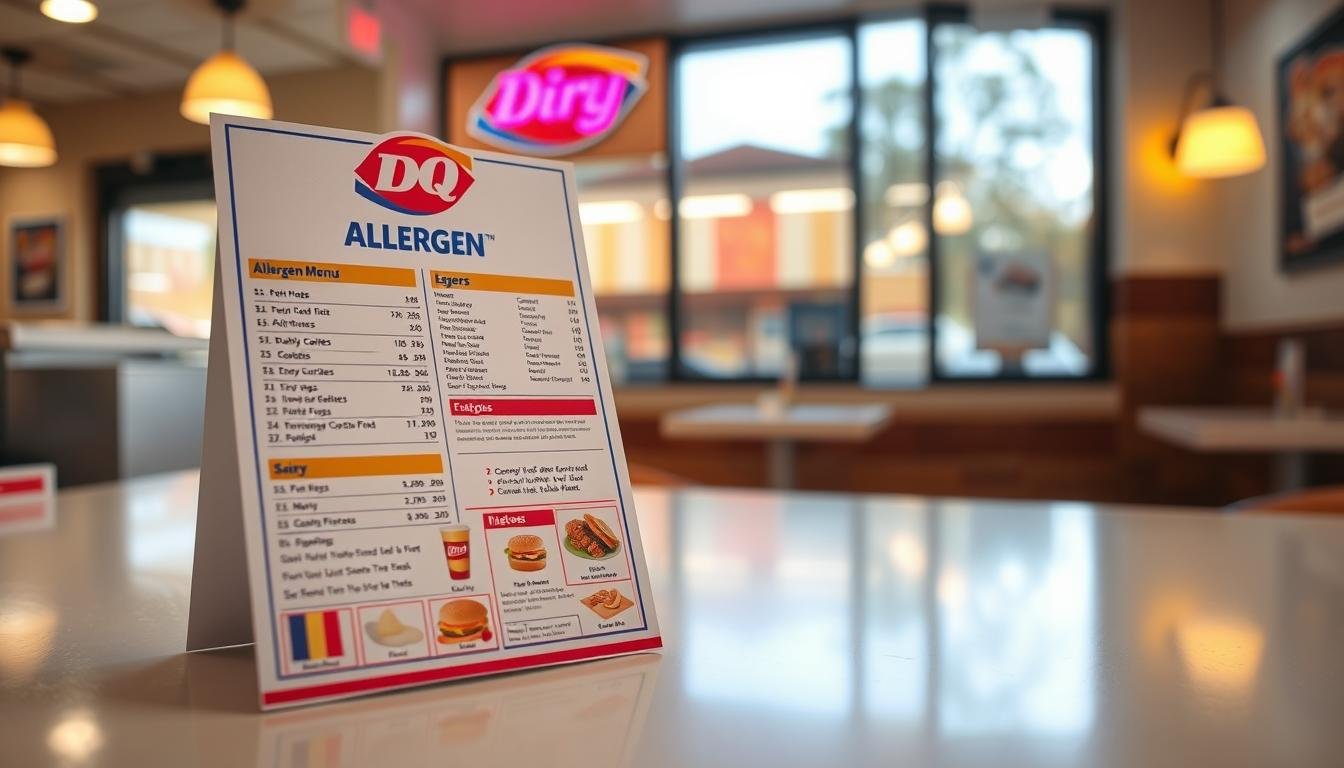
Most locations publish a clear ingredient guide so you can check before you order. This resource lists common triggers and shows which items contain milk, eggs, wheat, soy, sesame, peanuts, tree nuts, fish, and shellfish.
- Quick reference: The comprehensive guide helps you spot risks in cones, sandwiches, and ice cream treats.
- Transparent ingredients: Detailed lists let you avoid items with hidden triggers.
- Consistent caution: Soft serve and cream-based foods often contain milk and other common allergens.
Because the chain serves millions, ingredient details aim to support safe choices. Still, recipes and handling can differ by location, so check the official guide for your local shop and ask staff if you have concerns.
| Item Name | Description | Calories | Price |
|---|---|---|---|
| Vanilla Cone | Classic soft serve | 200 | $1.99 |
| Chocolate Dipped Bar | Cream bar with coating | 250 | $2.49 |
| Small Sundae | Soft serve with topping | 330 | $2.99 |
Navigating Cross-Contamination Risks in the Kitchen
Cross-contact is a real concern in fast kitchens. Shared tools and quick turnover can lead to traces of milk, wheat, or nuts getting into your order. You can lower the risk by asking staff specific questions before ordering.
Shared Fryer Protocols
Many locations use vegetable oil for frying. That oil may include canola, sunflower, cottonseed, palm, corn, or soybean oil.
Fries and chicken strips are often cooked in the same oil. This increases the cross risk for people avoiding milk or butter in their food.
Blizzard Machine Sanitation
The soft-serve mixing machine can carry wheat or dairy residues between treats. Ask the staff to clean the Blizzard machine before your order to reduce contact with unwanted ingredients.
If you need extra care, tell the manager so staff can use separate tools or a fresh portioning area.
Quick safety checklist
- Ask if a dedicated oil is used for sensitive items.
- Request cleaning of machines and scoops before preparation.
- Inform staff about your allergies so they follow cross-contact steps.
| Item | Shared Fryer | Common Oil Types | Cross Risk | Notes |
|---|---|---|---|---|
| Fries | Yes | Canola, soybean | Medium | Often fried with other items |
| Chicken Strips | Yes | Sunflower, palm | High | Breading may contain wheat |
| Onion Rings | Yes | Cottonseed, corn | High | Batter can include milk |
| Non-fried Sides | No | N/A | Low | Check prep surface contact |
| Soft-Serve Mix | No | N/A | Medium | Machine cleaning reduces risk |
Frozen Treats and Dessert Options
The dessert lineup offers several frozen bars and scoops that appeal to those seeking non-dairy or classic flavors. You can find simple cones, coated bars, and mixed treats across the menu.
Non-Dairy Dilly Bar Ingredients
Core ingredients include coconut oil, coconut cream, vanilla extract, xanthan gum, guar gum, carrageenan, and carob bean gum. The texture is creamy without milk.
Coating contains coconut oil, sugar, cocoa processed with alkali, corn starch, soy lecithin, salt, and natural flavors. This creates a crisp chocolate-like shell.
- The non-dairy Dilly Bar is a popular choice, with a rich chocolate coating made from coconut oil and cocoa.
- Check for cookie pieces or peanut butter in other items; these mix-ins can introduce unexpected ingredients.
- The guide notes some fudge toppings and other ice cream options are not suitable for all diets.
- Always verify ingredients for your specific order to ensure it fits your dietary needs.
| Item Name | Description | Calories | Price |
|---|---|---|---|
| Non-Dairy Dilly Bar | Coconut-based chocolate coated bar | 220 | $2.49 |
| Small Sundae | Soft-serve with topping | 330 | $2.99 |
| Vanilla Cone | Classic soft serve cone | 200 | $1.99 |
Savory Selections and Main Courses
Entrees featuring fried chicken and toasted bread deliver big flavors, yet small details matter for sensitive eaters.
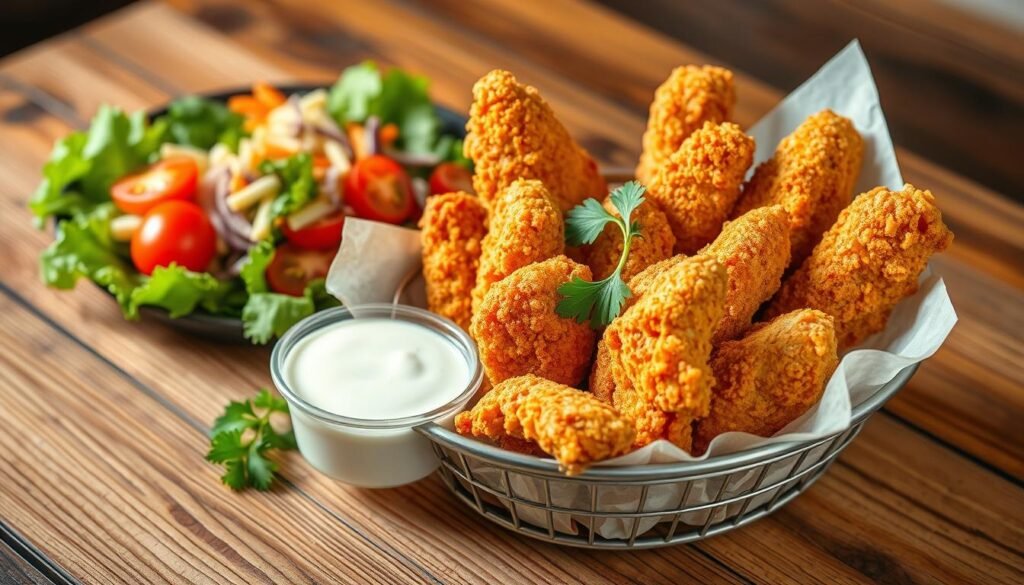
The chicken strip basket is a classic choice. Be aware that Texas toast is often brushed with a buttery oil that contains milk in the natural flavors. Ask for the toast plain or omitted to avoid cream or butter traces.
Many burgers and sandwiches can be safe if you request no cheese and no butter. Tell staff to skip spreading or to use clean tools. This reduces contact with cheese and butter pieces.
- Check sauces before you dip—some dipping sauce options, like honey mustard, may contain egg.
- Verify that sides and prep areas are free from mix-ins such as fudge or cookie pieces that can cause cross-contact.
- If you crave a strip basket, confirm how the oil and toast are prepared at your location.
| Item Name | Description | Calories | Price |
|---|---|---|---|
| Chicken Strip Basket | Fried strips with Texas toast and fries | 820 | $6.99 |
| Grilled Chicken Sandwich | Grilled fillet, request no cheese | 540 | $5.49 |
| Classic Double Burger | Two patties, ask for no butter or cheese | 760 | $5.99 |
Identifying Safe Sauces and Dressings
Choosing the right dressing or dipping sauce is one of the easiest ways to keep a meal safe.
Many standard options, such as ranch, contain milk. Ask for a dairy-free substitute when ordering to avoid hidden dairy in your order.
Prefer dressings like Balsamic Vinaigrette or Marzetti Light Italian when available. These are often free from common milk ingredients.
- Check Kraft Honey Mustard carefully—this one contains egg, so it is not egg‑free.
- Always request sauces on the side so you control how much touches your food.
- Confirm buffalo dipping sauce ingredients before you use it; some locations may vary the recipe.
- Watch for tiny pieces of add-ins in dressings or sauce jars. Even small pieces can cause reactions.
| Item | Description | Safe for | Notes |
|---|---|---|---|
| Balsamic Vinaigrette | Vinegar-based dressing | Vegan | Generally dairy-free |
| Marzetti Light Italian | Light oil and herb blend | Low-fat | Often dairy-free—check label |
| Ranch | Creamy classic | Not dairy-free | Contains milk; avoid if needed |
Important Considerations for Gluten-Free Diners
Gluten-free diners can still enjoy many frozen treats if they know which items avoid wheat and how kitchens handle shared prep.
Safe frozen choices include some Dilly Bars, Buster Bar Treats, Fudge Bars, and Starkiss Bars. These are made in facilities with limited cross-contact risk and often do not list wheat in the ingredients.
Gluten-Free Ice Cream Treats
Several ice cream bars and simple cones are wheat-free by recipe. Still, confirm the latest guide for your location before you order.
Managing Wheat Allergies
Fries are naturally gluten-free but may contain traces of wheat because they are cooked in shared fryers with other items.
Tell staff clearly about your wheat sensitivity so they can take extra care or suggest safer options.
Cross-Contact in Shared Spaces
Because there is no dedicated gluten-free space, cross-contact can occur in tools, oil, or on prep surfaces. Ask if the soft serve machine or fryer was cleaned before use.
| Item Name | Description | Calories | Price | |
|---|---|---|---|---|
| Non-Dairy Fudge Bar | Coconut-based bar with chocolate coating | 220 | $2.49 | |
| Dilly Bar | Classic ice cream bar | 200 | $1.99 | |
| Buster Bar Treat | Crunchy chocolate and nut bar | 330 | $2.99 | |
| Fries (small) | Fried potato side — may be cooked in shared oil | 230 | $1.99 | |
| Items | Vegan | Keto-Friendly | Gluten-Free | Allergens (Nuts, Dairy, etc.) |
| Dilly Bar | No | No | Yes | May contain traces of nut pieces |
| Fudge Bar | No | No | Yes | Dairy, may contain cookie pieces |
| Buster Bar Treat | No | No | Yes | Contains peanut butter and nuts |
| Fries | Yes | No | Yes (may contain traces) | Cooked in oil shared with other items |
| Soft Serve Cone | No | No | No | Contains cream, cheese, butter ingredients |
- Always check the latest ingredient guide and confirm at your location.
- Ask staff about fryer oil (soybean oil or blends) and recent cleaning.
- Order with caution when peanut butter or cookie pieces may be present.
Best Practices for Ordering at Your Local Restaurant
A quick chat with staff before you order goes a long way toward safety. Tell them about your allergies and any items you must avoid.
Use the Dairy Queen app or the official website to add notes when you place an order. Online ordering is useful for customizing a chicken strip or peanut butter treat with fewer surprises.
- Ask if the location uses soybean oil and whether fresh oil is available for fries or chicken strips.
- Request that staff clean the Blizzard or scoops and use separate tools to reduce cross contact.
- Double-check the finished order for hidden pieces like cookie bits, cheese, or butter before you dig in.
| Item Name | Description | Calories | Price |
|---|---|---|---|
| Chicken Strip Basket | Fried strips with toast and fries | 820 | $6.99 |
| Fries (small) | Fried potato side — may share oil | 230 | $1.99 |
| Non-Dairy Dilly Bar | Coconut-based frozen bar | 220 | $2.49 |
Always verify ingredients for your specific location and confirm the order with staff at pickup. A clear request prevents many common mistakes and keeps flavors enjoyable and safe.
Conclusion
A quick check of ingredients and a short conversation with staff before ordering can prevent reactions. Use the official website to review the latest ingredient lists and the guide for specific items. Popular choices like soft serve, chocolate bars, or cream-based treats may contain dairy or other allergens, so verify each order.
Remember that locations vary in prep and oil use, and cross-contact happens in busy kitchens. Tell staff about your needs, ask about sauce and fryer practices, and confirm your order before you leave. With simple steps, you can enjoy familiar ice treats and savory food with more confidence.